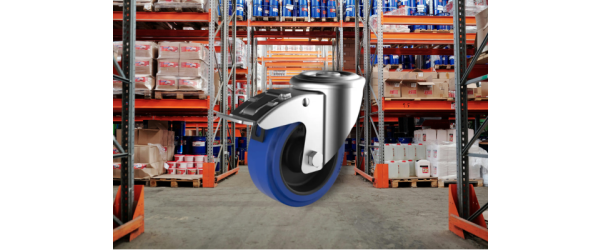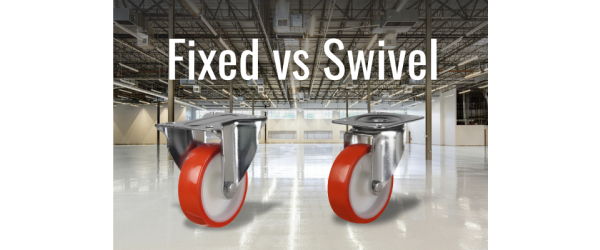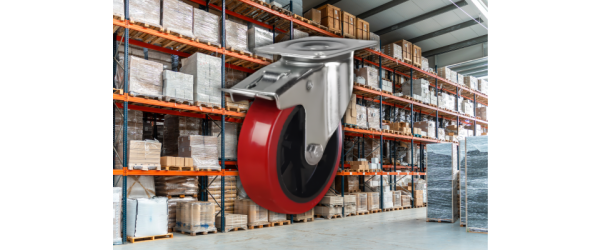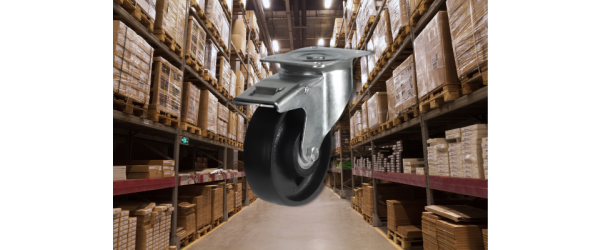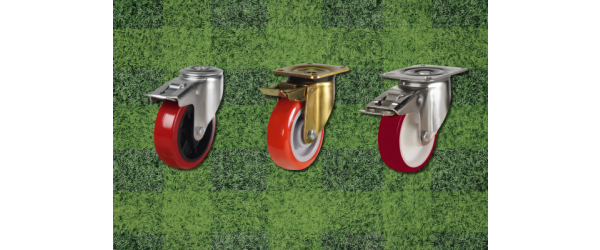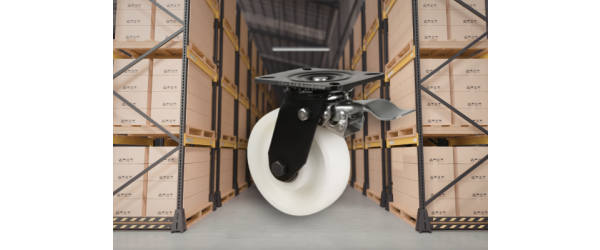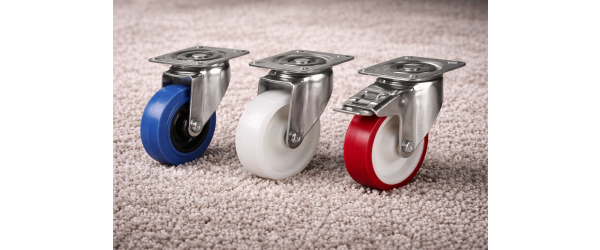
Choosing the correct castors is essential for keeping warehouse, manufacturing and logistics spaces safe and reliable. Castors may seem like small, boring components, but the wrong choice can slow down entire operations, damage expensive equipment, or even cause workplace incidents that could injure people. For businesses, understanding the key factors when it comes to proper castor selection is one of the best (and easiest!) ways to reduce downtime and improve efficiency across the board.
The first step is to identify the correct duty rating.
Light-duty castors suit smaller trolleys, small-scale workshops and mobile units that carry modest loads and are moved occasionally
Medium-duty castors are suitable for general workplace equipment and are designed for more regular use without excessive strain.
Heavy-duty castors are built for industrial demands, capable of handling significant weight with consistent performance and smoothness.
For the toughest workplaces, extra-heavy-duty castors offer maximum strength and stability when handling large loads or constant, straining moves.
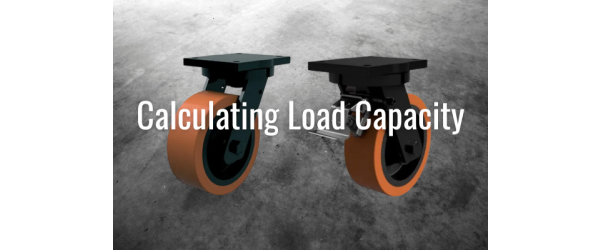
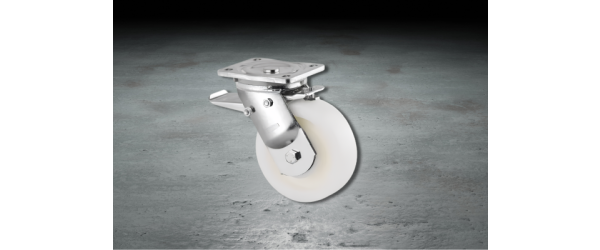
Load capacity is another important factor. The total load should be divided across the number of castors fitted, which is usually four, but additional capacity should always be allowed in case of uneven floors or unexpected impacts. Operators often push equipment harder than expected, especially during peak seasons like winter. The floor surface also plays a huge role in castor choice. Smooth warehouse floors allow for a wider range of wheels, while rough, uneven or outdoor surfaces demand stronger tyres and more robust wheel types. Matching the wheel type to the surface reduces strain on your staff, the castors themselves and your long-term costs as a business. The working environment is equally important. Standard castors may perform well in regular conditions but struggle in specialist areas. High-temperature castors are not only recommended but essential in bakery environments or high-temperature industrial processes, preventing softening, wheel distortion and bracket damage. For the entertainment industry, Film, TV and Theatre castors provide silent movement and smooth rolling for camera dollies and flight cases. In wet or corrosive environments, stainless steel castors offer exceptional resistance to rust.
Frequency of use is another factor that influences durability. Equipment used every day at a constant pace requires castors designed for continuous operation. Cheaper castors might perform adequately at first, but bearings wear quickly under heavy use, wheels can deform, and brackets may fail at the worst possible moment, costing you both time and money. Selecting high-quality castors reduces maintenance and keeps equipment available when it matters most in the busy season.
Overall, choosing the right castors is about matching all of these factors together to ensure it’s a specification designed for the job you need. Taking the time to select the right castors reduces strain on your staff, protects your equipment and ensures more efficient, safer work practices. Working environments depend on reliability, and high-quality castors deliver the performance needed to maintain that level.