In busy workplaces, delays are often imagined as the result of a huge breakdown of a multi-million-pound machine. Funnily, some of the most frustrating and costly delays begin with something much smaller and very easy to overlook. Loose fittings, worn components and under-checked equipment can quietly disrupt operations long before anyone realises there is a genuine problem or until it turns into a disaster. Over time, these small failures add up - slowing productivity, increasing safety risk and the inevitable delays. Understanding where these issues start and how to prevent them can save your business a lot of money and save you a lot of stress.
When “Minor” Problems Become Major Disruptions
Small failures rarely stop work in an immediate, dramatic fashion (although that can happen!). Instead, it starts with small issues here and there that cause small delays, and eventually it costs 10s of hours of wasted time. Individually, it might seem quite insignificant but when combined between staff over the year, it can add up to a very high figure that you can’t afford to lose.
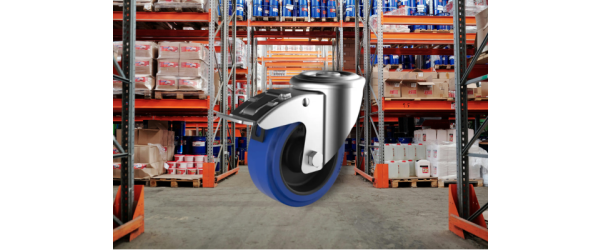
One of the most common examples is mobile equipment not performing as it usually does or as intended. Worn or damaged wheels increase rolling resistance, making loads harder to move and persistently slowing down what were once routine tasks. Staff may compensate by applying more force, repositioning constantly, or taking the longer way altogether. Each adjustment adds seconds or minutes, which quickly add up to a significant figure. In environments where timing matters, such as warehouses, hospitals, and busy retail shops, these delays can significantly disrupt schedules, leaving your staff and clientele frustrated and resulting in wasted revenue.
Why Small Failures Are Often Missed
One reason minor failures cause such large problems is that they are easy to ignore and allowed to compound. Busy teams focus on the obvious tasks and have deadlines to worry about, meaning castors are often dealt with later or a “agh, they’ll be fine” situation.
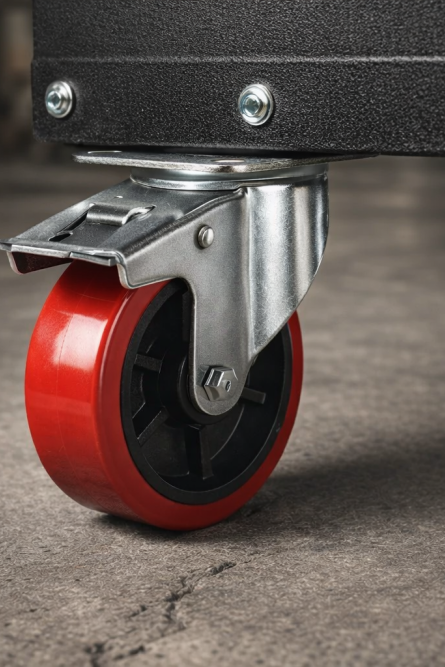
Castors, especially, are victims of this and are often overlooked because they are low-level and, to be honest, unless a wheel completely breaks, it may not be flagged as an issue. However, reduced performance often appears long before total failure. Increased noise, stiff rotation or uneven rolling are all early warning signs. Regular visual checks and basic maintenance can identify these problems early, but only when teams are trained, informed, and given time to do so.
Preventing Delays Through Better Specification
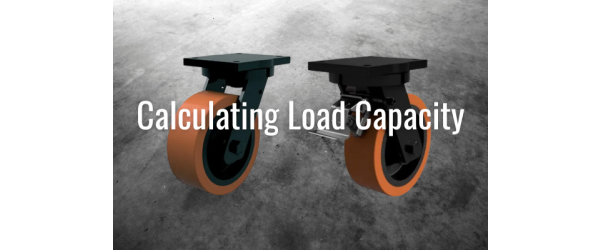
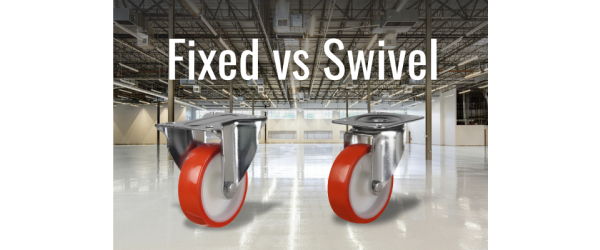
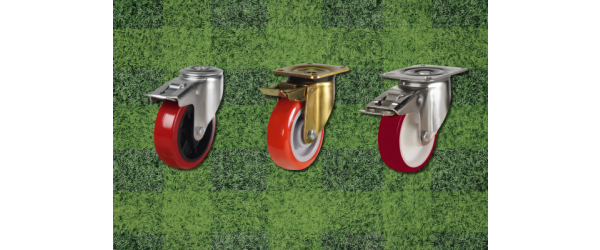
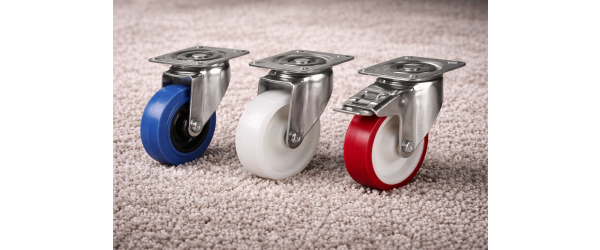
Prevention starts with choosing the right equipment for the job. Not all castors are suitable for every environment, even if they are practically identical at times. Load capacity, material, floor type and usage frequency all affect the performance and longevity.
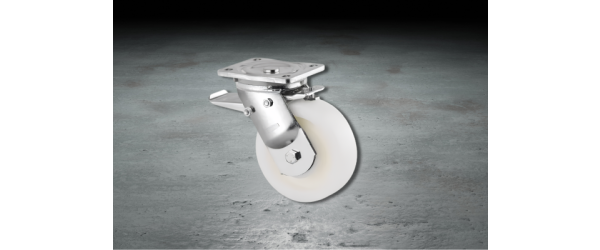
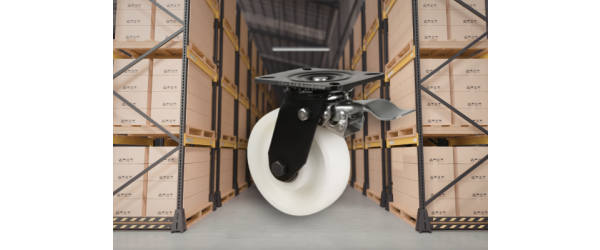
For example, environments with heavy loads benefit from heavy-duty industrial castors designed to withstand constant use and heavy loads without deforming. In quieter or customer-facing spaces, smoother-running wheels reduce noise and improve control. Areas with uneven floors or thresholds may require larger diameter wheels to maintain proper stability. Correct specification reduces wear, improves the safety of inventory, and most importantly, your staff.
The Role of Routine Checks and Maintenance
Even high-quality components need attention sometimes. Simple maintenance routines can dramatically reduce the risk of unexpected delays or accidents.
Checking for debris caught in wheels or on the floor, ensuring fixings are tight, and that brakes are functioning correctly all help extend the longevity of castor wheels. In high-use environments, rotating or replacing castors before they fail completely prevents disruption during important periods where delays can be detrimental. Many businesses only act when equipment becomes unusable or an incident occurs. A proactive approach, where small issues are addressed quickly, ensures operations continue to run smoothly and avoids last-minute replacements.
Get Things Moving (and keeping them going!)
Delays are not always caused by large machinery, as this article shows. More often, they begin with small, preventable problems that quietly creep in and get worse over time. By paying attention to everyday components such as castors, businesses can identify these issues early and invest in quality castors rather than pay much more in the long term for operational delays.
If your equipment is becoming harder to move or showing signs of wear, it may be time to review your castors. Exploring the right castors and wheels
for your environment is a simple step towards better, more reliable operations.