When people think about the automotive industry, they picture vehicle lifts, equipment and skilled technicians working at pace. What often goes unnoticed is the equipment that keeps everything moving behind the scenes - castors.
From major vehicle manufacturers to independent garages, reliable mobility is not a luxury. It is essential in the fast-paced environment. Choosing the right automotive castors directly impacts safety, efficiency and productivity of the work. So when customers ask us, “what castors do I get for the automotive industry?”, the answer is simple - strong, dependable, and purpose-built castors that can handle constant use.
Mobility
In large-scale automotive manufacturing, flexibility is everything. Equipment needs reconfigured and accessibility is an essential across the whole process.
Heavy duty trolleys, engine stands, fabrication tables and parts bins all rely on high-performance industrial castor wheels. Without them, transportation or moving critical components would be slow and labour-intensive which simply isn’t needed anymore.
High-quality automotive castors allow:
• Safe movement of heavy assemblies such as engines and gearboxes
• Flexible work layouts
• Reduced manual handling strain
• Faster workflows
In fast-moving environments, downtime is costly. Reliable castors help minimise disruption and keep operations running smoothly – small product, huge impact.
For demanding industrial environments, our range of heavy duty castors is designed to cope with substantial capacity and constant use under those pressures.
Workshop and Garage Environments
It is not only major manufacturers that depend on automotive castors. Independent garages, MOT centres and specialist workshops rely just as heavily on mobile equipment.
Think about typical garage equipment:
• Transmission jacks
• Welding units
• Parts washing stations
• Diagnostic carts
Each of these needs to move easily across workshop floors, often carrying significant weight. Poor-quality castors can seize, flatten under heavy load or fail altogether. That creates safety risks for your staff, client’s property and unnecessary risk of expense.
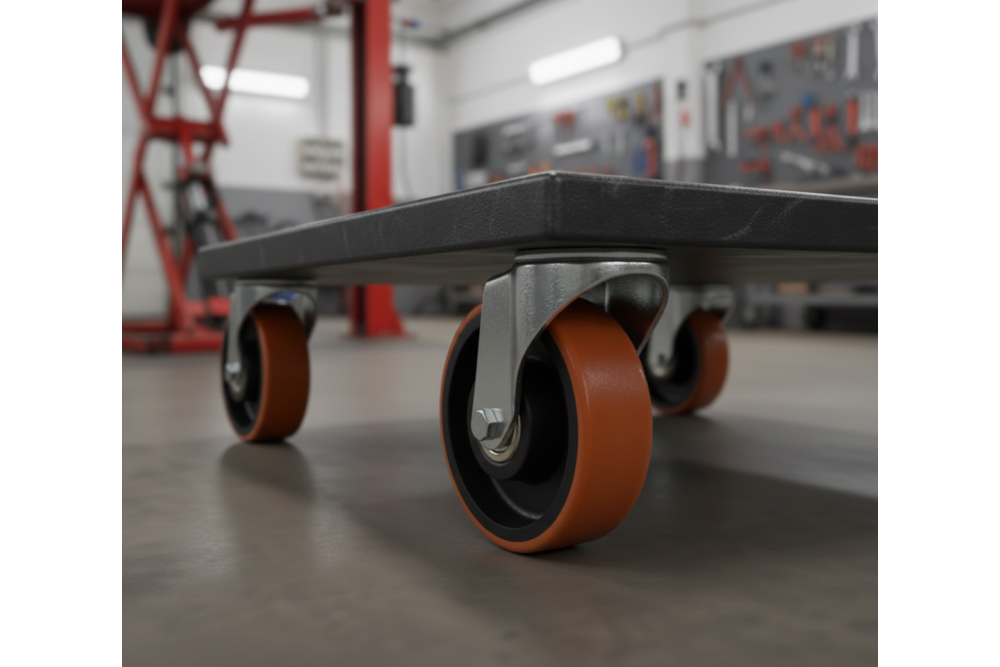
When considering what castors automotive workshops should use, durability and floor compatibility are key. Concrete floors, oil exposure and debris all place extra stress on wheels and bearings. Polyurethane wheels are often ideal due to their resistance to wear and ability to protect floor surfaces, while cast iron or steel centres may be required for extreme loads.
You can explore our full selection of industrial castors suitable for workshop and factory use.
Safety Comes First
In any automotive setting, safety standards are high. Equipment that shifts unexpectedly or becomes unstable is unacceptable.
This is where braking systems play a critical role. Many automotive castors are fitted with total stop brakes, locking both the wheel and swivel action. This ensures equipment remains firmly in position during use.
For example:
• Vehicle body jigs must remain still during repair
• Engine stands need secure positioning when rotating components
• Mobile workbenches must not drift during precision tasks
Choosing the right braked castors helps prevent accidents and gives technicians confidence in their work and safety.
It is not just about movement - it is about controlled movement for the right situational use.
Load Capacity and Long-Term Performance
One of the most common mistakes when selecting automotive castors is underestimating load capacity. Automotive equipment is rarely lightweight. Even a modest tool cabinet can exceed expectations once fully loaded.
Reliable castors should always be selected with an appropriate safety margin. This ensures:
• Longer service life
• Reduced maintenance
• Lower risk of wheel failure
• Better overall value
For particularly demanding environments such as fabrication bays or heavy assembly areas, upgrading to reinforced brackets and precision bearings can make a significant difference.
Our range of single castors includes options suited to both medium-duty workshop use and heavy-duty industrial applications.
Floor Protection and Smooth Operation
Automotive facilities often invest heavily in flooring – whether sealed concrete, resin-coated surfaces or specialised workshop finishes. The wrong wheel material can mark, crack or degrade these surfaces over time.
This is another reason why selecting the correct automotive castors matters. Non-marking polyurethane or rubber wheels can protect floors while still supporting heavy loads. Smooth-rolling bearings also reduce push force, which helps minimise operator fatigue during long shifts.
In busy environments where equipment is constantly repositioned, this makes a noticeable difference to day-to-day comfort and productivity.
Reducing Downtime and Maintenance
Low-quality castors can lead to repeated maintenance issues. Flat spots, broken brackets or seized bearings slow down operations and add hidden costs.
Reliable automotive castors are engineered for resilience. Features such as sealed bearings, robust mounting plates and corrosion-resistant finishes all contribute to long-term performance.
In short, investing in quality at the outset reduces the risk of disruption later.
Why Automotive Castors Are a Small Detail with a Big Impact
It is easy to overlook castors because they are physically small compared to the equipment they support. Yet their role is fundamental. Without dependable mobility, even the most advanced automotive tools and machinery lose flexibility.
Whether in a high-output vehicle plant or a local garage, the right automotive castors ensure:
• Safe handling of heavy components
• Efficient workshop layouts
• Stable positioning during repairs
• Long-term durability under tough conditions
If you are reviewing equipment in your facility and asking what castors automotive environments truly require, the answer lies in quality, load rating and suitability for the working conditions.
At Castors Online, we supply a comprehensive range of automotive castors designed for industrial performance and workshop reliability. Choosing the right castor is not just about movement – it is about keeping your entire operation running efficiently.
← Back
 ← Back
Why Reliable Castors Are Vital in the Automotive Industry
Related Posts
-
How to Calculate the Load Capacity You Actually Need
Choosing the right castors isn’t just about finding the correct wheel size or material. One of the most important factors is ...
-
How Castor Placement Affects Trolley Stability and Handling
When you are choosing castors for a trolley, it is easy to focus on wheel diameter, material and load capacity. While these a...
-

What Really Determines the Lifespan of a Castor?
A castor that lasts for years in one application may fail within a month in another, even if they are both carrying the same ...
-
Swivel vs Fixed Castors: Which Should You Choose?
One of the key factors in choosing the correct castor is deciding whether to use swivel castors, fixed castors, or a combinat...
-

How Hot Weather Affects Castors and Wheels: Summer Maintenance Tips
During summer, higher temperatures, sunlight and dust can all affect the performance of castors and wheels. For castors u...
-

5 Signs Your Castors Are Costing Your Business Money
Castors play a crucial role in keeping operations running smoothly. They are often overlooked until they start causing proble...
-

5 Common Warehouse Mobility Problems Solved with the Right Castors
In a busy warehouse, things need to move. Whether it is picking orders, packing them up, or shifting stock from one side to t...
-
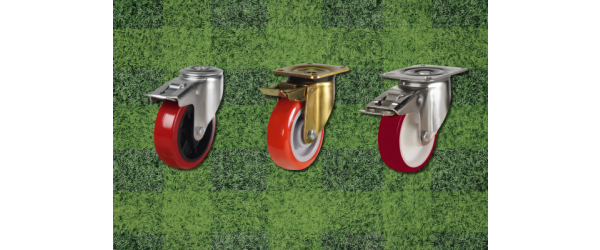
Summer Events and Outdoor Setups: Choosing Weather-Resistant Castors
Summer is one of the busiest times of year for outdoor events, from festivals and markets to weddings and commercial pop-ups....
-
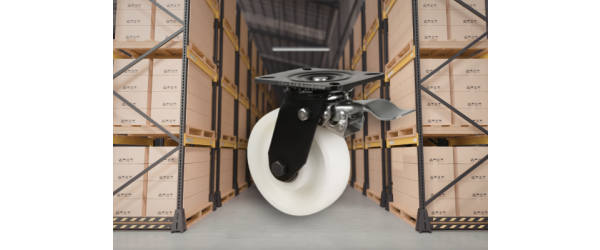
How to Choose the Right Castor Wheels for Heavy Loads
When it comes to moving heavy equipment, choosing the right castor wheels is essential. Whether you are working in a warehous...
-
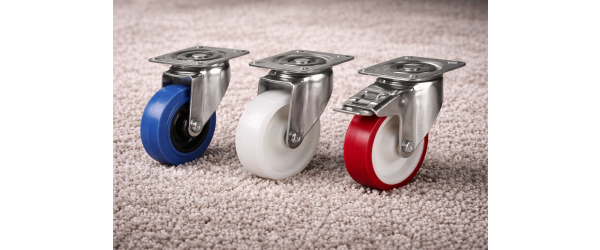
How to Match Castor Wheel Material to Your Floor Type
Choosing the right castors is not just about load capacity or size. One of the most important factors, and one that is often ...