January often feels like a quiet reset. The rush of Christmas is over, many workplaces return to normal operating levels, and it becomes the ideal time to take stock of equipment that has been pushed hard throughout the year. One item that is frequently overlooked during routine maintenance is castors. Yet worn-out castors can quietly cause inefficiency, safety risks and unnecessary strain on staff. Replacing them in January makes practical sense for businesses and individuals alike.
A fresh start after a busy year
For many industries, the final quarter of the year is the busiest. Warehousing, retail, manufacturing and logistics operations often rely heavily on trolleys, cages, flight cases and mobile equipment during this period. Castors take the full force of increased loads, uneven floors and constant movement.
By January, signs of wear tend to show. Flat spots on wheels, stiff swivels, damaged brakes and excessive noise are all indicators that castors are past their best. Starting the year by replacing tired castors helps ensure equipment performs reliably for the months ahead rather than waiting for a failure to occur mid-operation.
Reduced downtime makes replacement easier
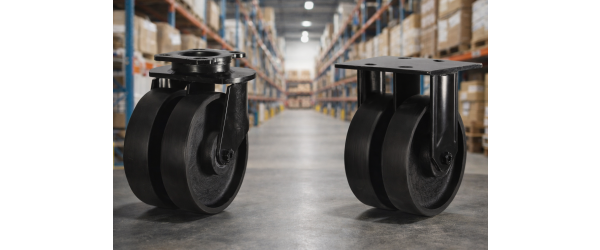
January is typically a quieter period for maintenance teams and operations managers. This makes it far easier to schedule castor replacement without disrupting daily workflows. Swapping castors on trolleys, workbenches or equipment while demand is lower avoids the costly downtime that can occur if a wheel fails during peak periods. Planning ahead also allows time to source the correct replacements rather than rushing into a like-for-like swap that may not be ideal. Reviewing load ratings, wheel materials, and braking requirements can improve long-term performance. Exploring options such as heavy-duty castors or upgraded wheel materials often pays off over the course of the year.
Improving workplace safety early in the year
Worn-out castors are a hidden safety risk. Sticking wheels can cause sudden jolts when equipment is pushed, while damaged brakes may fail to hold loads securely in place. In workplaces where manual handling is common, poor castor performance increases the risk of strain injuries and accidents.
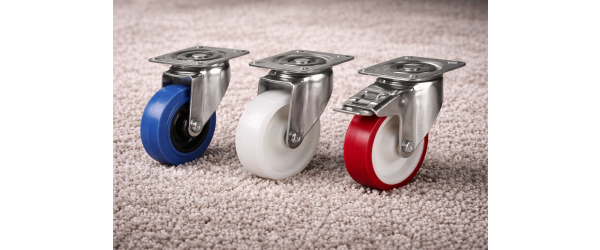
Replacing castors in January aligns well with annual health and safety reviews. New castors roll more smoothly, track properly and brake reliably, helping to create a safer working environment from the outset of the year. For mobile equipment used on mixed surfaces, upgrading to more suitable wheels such as polyurethane castors can significantly reduce noise and vibration.
Cold weather exposes existing problems
Winter conditions are often unforgiving on equipment. Cold temperatures can make already worn wheels brittle, while grit and moisture tracked in from outside accelerates wear. January is often when castors finally give up after coping through autumn and early winter.
Replacing castors during this period helps prevent sudden failures later on. It also allows you to choose wheel materials that perform better in colder or damp conditions, particularly for equipment that is moved between indoor and outdoor environments. Selecting the right solution now reduces ongoing maintenance throughout the year.
Better budgeting and cost control
January is also when many businesses reset budgets. Replacing worn-out castors is a relatively low-cost improvement that can have a noticeable impact on productivity. Smooth-running equipment takes less effort to move, reduces floor damage, and lowers the likelihood of larger repairs caused by seized or broken wheels.
Addressing castor wear early prevents knock-on costs later. A failed castor can damage frames, twist legs or overload remaining wheels, turning a simple replacement into a more expensive repair. Investing in quality replacements at the start of the year is often more economical in the long run.
A chance to review and upgrade specifications
Replacing castors does not have to mean fitting exactly the same type again. January is an ideal opportunity to reassess whether current castors are truly fit for purpose. Equipment loads may have increased, floor surfaces may have changed, or usage patterns may differ from when the original castors were fitted.
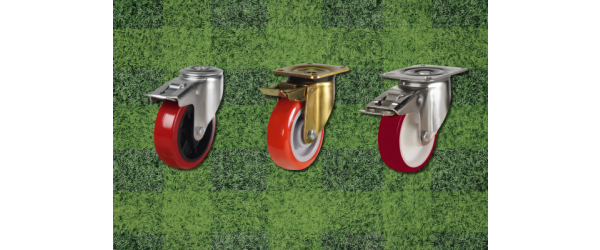
Upgrading to castors with higher load ratings, better bearings or improved braking systems can extend service life and improve ease of use. For frequently moved equipment, options such as braked castors can offer better control and stability, particularly on slight slopes or uneven floors.
Starting the year rolling smoothly
There is something to be said for beginning the year with equipment that works as it should. New castors make everyday tasks easier, quieter and more predictable. Staff notice the difference immediately when trolleys glide smoothly rather than fight stiff wheels.
January sets the tone for the rest of the year. Taking the time to replace worn-out castors now helps ensure mobility, safety and efficiency remain consistent through the busy months ahead rather than reacting to problems as they arise.