As temperatures drop and damp conditions set in, many workshops and industrial sites face a common challenge – keeping floors safe and equipment mobile. Winter brings moisture, grit, and salt that can quickly turn a smooth-running workspace into a slippery, corrosion-prone environment. One simple yet highly effective way to maintain both safety and efficiency is by fitting the right castors and wheels for the season.
The Hidden Hazards of Winter Floors
Cold weather affects more than just comfort. Condensation builds up overnight on cold concrete floors, creating slick patches that increase the risk of slips and trips. Metal castor housings can rust when exposed to moisture, while salt and grit can work their way into bearings, causing wheels to seize or wear unevenly. For workshops relying on mobile benches, tool trolleys, or storage racks, these small issues can lead to big problems – including damaged floors and downtime.
Choosing the Right Castor Materials for Cold Conditions
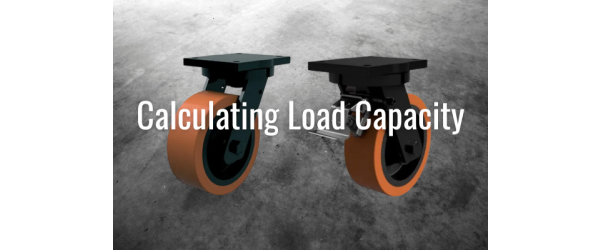
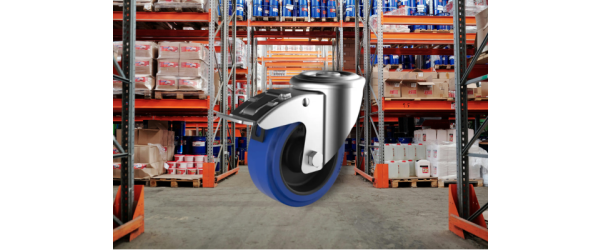
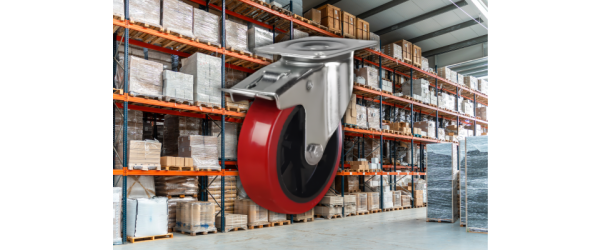
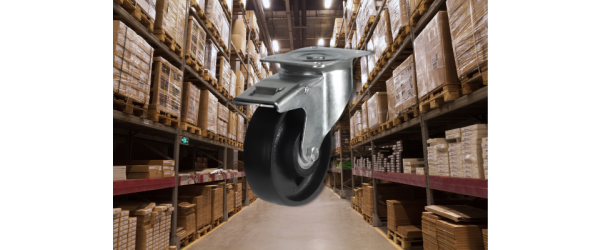
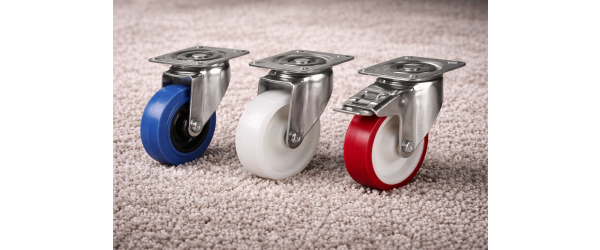
Selecting the right materials makes all the difference. Rubber castors remain one of the best all-round options for cold, damp workshops. They provide excellent grip, reduce vibration, and help protect delicate floors. For heavier loads or harsher environments, polyurethane castors.
are ideal. They resist cracking in cold temperatures and won’t absorb moisture, making them suitable for industrial and warehouse use.
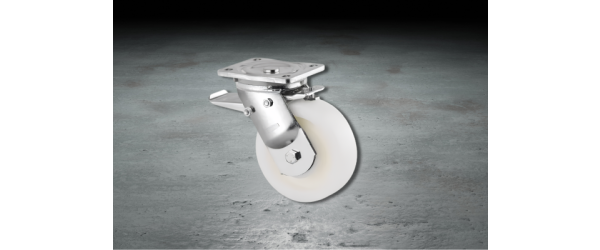
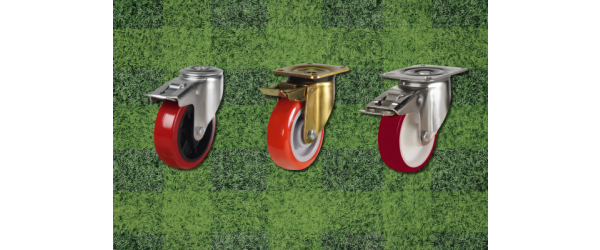
If your workspace is exposed to moisture or cleaning chemicals, stainless steel castors offer long-term protection from corrosion. Their sealed bearings and smooth finishes make them easy to clean and highly durable throughout the winter months.
Explore our selection of rubber castors and polyurethane castors designed to keep your equipment moving safely.
Non-Marking and Quiet Options
Winter often means more dirt and salt being tracked indoors. Non-marking wheels are a worthwhile investment, especially for workshops with painted or resin floors. These castors prevent scuffs and streaks while still offering secure traction. Quiet-running castors, often made with soft tread materials, are also popular in maintenance areas where noise control is important – particularly when metal tools and machinery already create plenty of background sound.
Keeping Your Equipment Safe and Stable
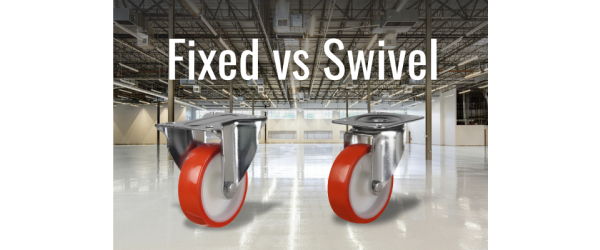
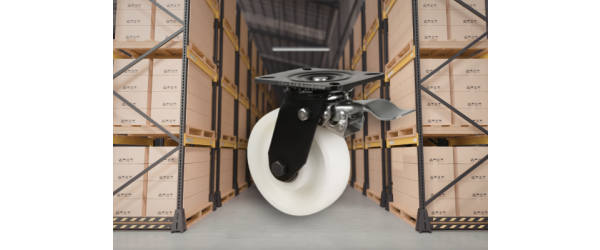
When working in cold or uneven conditions, stability matters. Castors with integrated brakes provide extra control when manoeuvring heavy benches or storage racks. Braked castors can be locked firmly in place, ensuring your equipment stays put while you work. It’s a simple safety measure that reduces risk on slick floors.
Winter Maintenance Tips
Even the best castors need care during the winter season. A few small maintenance habits can make all the difference:
- Wipe castors regularly to remove salt, oil, and grime.
- Inspect wheel treads for cracks or flat spots caused by cold storage.
- Apply light lubricant to bearings to prevent freezing or stiffness.
- Store trolleys and equipment indoors overnight whenever possible.
Routine checks will help avoid sudden wheel failures and keep your workshop running smoothly when temperatures drop.
Product Recommendations
For a reliable year-round setup, consider combining stainless steel brackets with rubber or polyurethane wheels. Our range of industrial castors offers both strength and stability, while stainless steel castors ensure lasting corrosion resistance – perfect for busy winter workshops.
Conclusion
A safe, efficient winter workspace starts from the ground up. Choosing high-quality castors suited to cold, damp, and slippery conditions not only protects your floors and equipment but also protects your team. With the right combination of grip, durability, and corrosion resistance, you can keep your workshop rolling smoothly all winter long.