When it comes to moving heavy equipment, choosing the right castor wheels is essential. Whether you are working in a warehouse, workshop or industrial setting, the wrong choice can lead to difficult handling, increased wear or even safety risks.
Heavy duty castors are designed to handle substantial loads while maintaining smooth and controlled movement. However, not all castors are created equal, and selecting the right type requires a clear understanding of your specific requirements.
Understanding Load Capacity
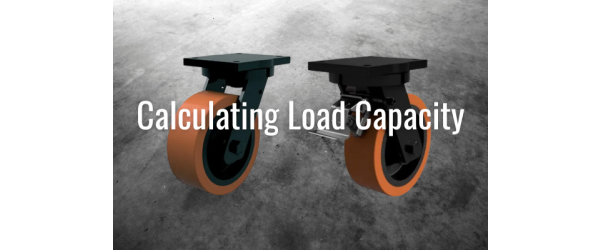
The first and most important factor to consider is load capacity. Every castor is rated to support a maximum weight, and exceeding this limit can lead to failure or damage.
To determine the correct capacity, you should calculate the total weight of the equipment and divide it across the number of castors being used. It is always wise to include a safety margin to account for uneven load distribution or dynamic movement.
For demanding applications, it is worth exploring our range of heavy duty castors designed to handle higher weight capacities with ease.
Choosing the Right Wheel Material
The material of the wheel has a significant impact on performance, durability and floor protection. Different materials are suited to different environments, especially when dealing with heavy loads.
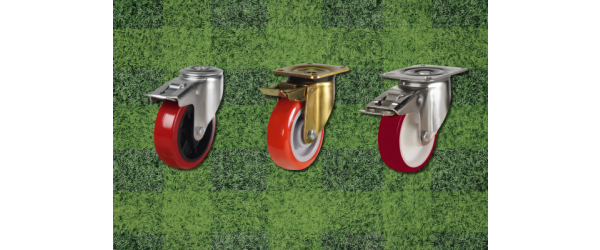
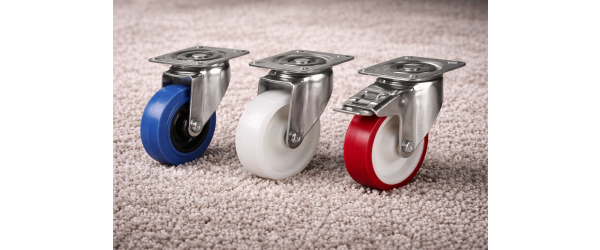
Polyurethane wheels are a popular choice for heavy duty use. They offer excellent load-bearing capacity while remaining relatively gentle on floors. They also provide good resistance to wear and chemicals.
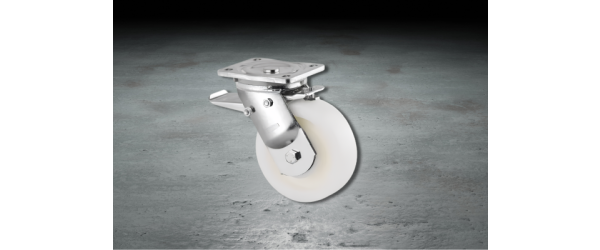
Nylon wheels are another option, known for their strength and durability. They are ideal for very heavy loads but can be noisier and less forgiving on certain surfaces.
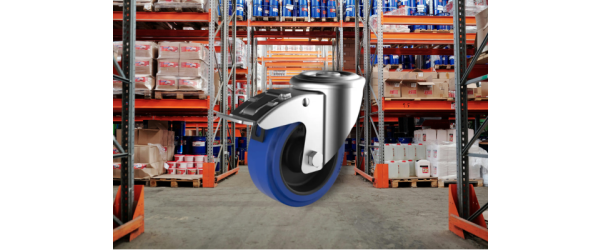
Rubber wheels, while quieter and more shock-absorbing, may not always be suitable for the heaviest applications, particularly in industrial environments.
Fixed or Swivel Castors
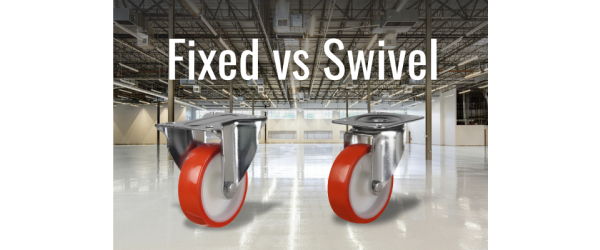
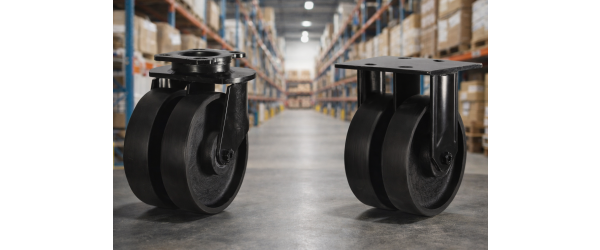
The type of castor configuration also plays an important role in handling heavy loads. Fixed castors provide straight-line stability, making them ideal for moving equipment over longer distances.
Swivel castors, on the other hand, allow for more movement, which is useful in tighter spaces. In many cases, a combination of fixed and swivel castors offers the best balance between control and flexibility.
For heavier loads, it is important to ensure that swivel castors are robust enough to handle both the weight and the directional forces involved.
The Importance of Braking Systems
Safety becomes even more critical when dealing with heavy equipment. A reliable braking system ensures that your equipment stays securely in place when stationary.
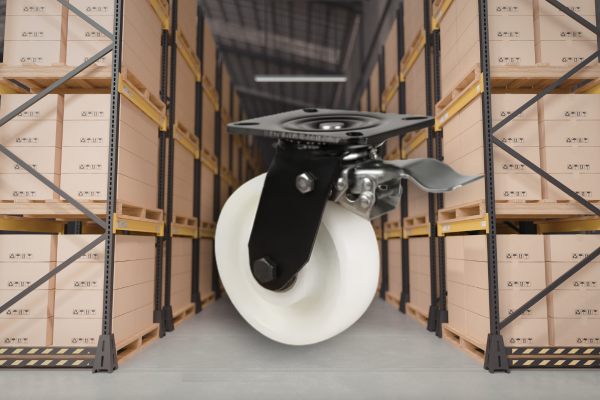
Total lock brakes are often recommended for heavy duty applications, as they prevent both the wheel and the swivel from moving. This provides maximum stability, particularly on slight inclines or uneven surfaces.
You can browse suitable options in our selection of braked castors, which are designed to offer dependable control in demanding environments.
Considering the Floor Surface
The type of flooring in your workspace should always be considered. Heavy loads can place significant stress on both the castors and the floor itself.
Hard floors such as concrete benefit from durable materials like polyurethane or nylon, which can withstand the pressure without excessive wear. However, if floor protection is a concern, softer materials may be preferable.
For more delicate surfaces, non-marking wheels are essential to prevent damage while still supporting the required load.
Durability and Maintenance
Heavy duty applications demand castors that can withstand constant use. Durability is key, particularly in environments where equipment is moved frequently.
Look for castors with strong housings, high-quality bearings and corrosion-resistant finishes. These features help extend the lifespan of the castors and reduce the need for maintenance.
Regular checks are also important. Inspecting for wear, debris build-up or damage can help prevent issues before they become serious problems.
Making the Right Choice
Choosing the right castor wheels for heavy loads is about balancing strength, durability and practicality. By considering load capacity, material, configuration and braking requirements, you can ensure safe and efficient movement of your equipment.
Investing in the correct castors not only improves performance but also reduces long-term costs by minimising wear and potential downtime.
To find the right solution for your needs, explore our full range of castor wheels designed for both light and heavy duty applications.