Spring is often seen as a time for a reset. In warehouse and industrial environments, it is the perfect opportunity to carry out essential maintenance checks after the wear and tear of winter. While attention is usually given to large equipment and machinery, smaller components are often overlooked. One of the most commonly missed areas is castors.
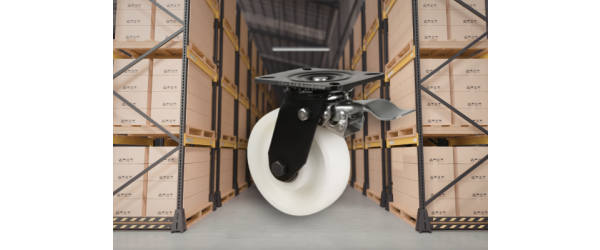
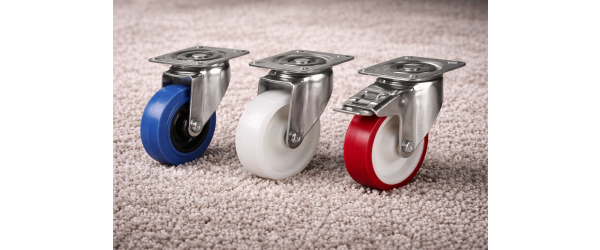
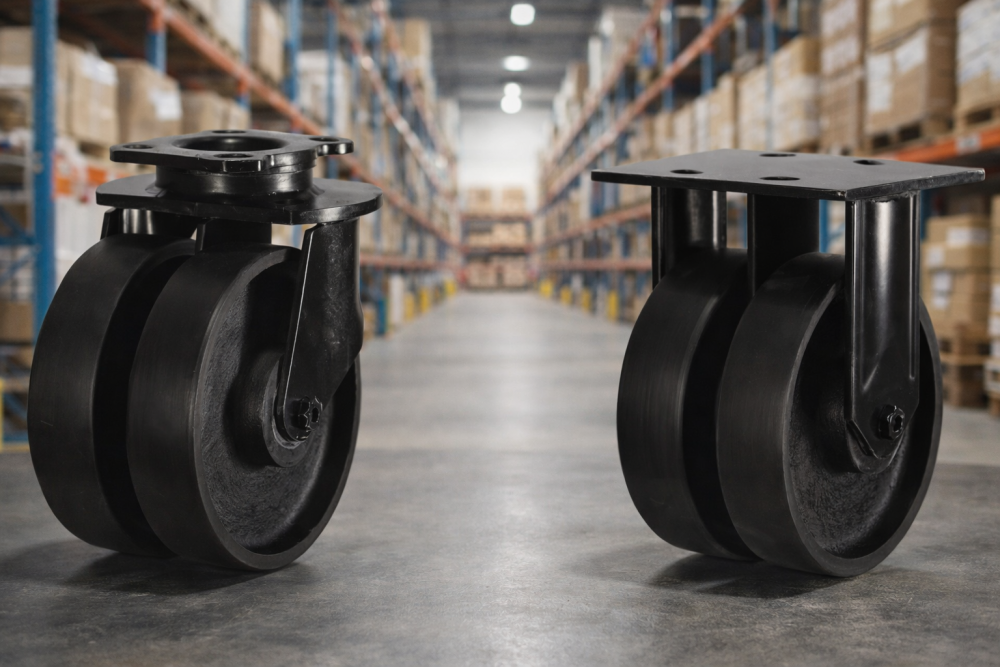
Castors are fitted to trolleys, racks, workstations and mobile equipment across the warehouse floor. They are used constantly, often under heavy loads and in demanding conditions. Keeping them in good working order is key to maintaining both efficiency and safety.
Why Winter Takes Its Toll on Castors
Winter can be particularly tough on warehouse equipment. Cold temperatures, moisture and dirt all contribute to increased wear.
Water and damp conditions can lead to corrosion, especially on metal components. Dirt and debris can build up around the wheel, restricting movement and causing stiffness. In colder conditions, some wheel materials may also become less flexible, affecting performance.
Even if castors appear to be working, these underlying issues can gradually reduce efficiency and increase the risk of failure.
Signs Your Castors Need Attention
A quick inspection in spring can highlight problems before they become costly. There are several common signs that castors may need maintenance or replacement.
Wheels that no longer roll smoothly are often the first indicator. This may feel like dragging or resistance when moving equipment. Flat spots on wheels are another common issue, usually caused by prolonged heavy loads or wear over time.
Noise is another warning sign. Squeaking or rattling castors can indicate worn bearings or debris caught in the wheel.
Loose fittings should also be checked. If a castor is not securely attached, it can affect stability and become a safety risk. Brakes that no longer hold properly are another clear sign that attention is needed.
Simple Checks You Can Carry Out
The good news is that basic maintenance does not need to be complicated. A few simple checks can make a big difference.
Start with a visual inspection. Look for visible damage, wear or debris around the wheel and housing. Remove any dirt or obstructions that could affect movement.
Next, test the movement of each castor. Wheels should rotate freely and swivel smoothly without sticking. If movement feels stiff or uneven, it may be time for maintenance or replacement.
Check all fixings to ensure castors are securely attached to the equipment. Loose bolts or fittings should be tightened promptly.
Finally, test any braking mechanisms. Brakes should engage fully and hold the equipment firmly in place without slipping.
When to Repair and When to Replace
Not every issue requires a full replacement but knowing when to act is important.
Minor problems such as dirt build-up or loose fittings can often be resolved quickly. However, if wheels are worn down, cracked or no longer roll properly, replacement is usually the best option.
Delaying replacement can lead to bigger problems. Worn castors increase the effort required to move loads, which slows down operations and puts extra strain on staff. Over time, this can also lead to damage to floors or equipment.
Investing in reliable replacements, such as those found in our range of industrial castors, helps ensure long-term performance and reduces the risk of ongoing issues.
Keeping Your Warehouse Running Smoothly
Regular maintenance is one of the simplest ways to improve warehouse efficiency. While castors may seem like a small component, their impact is significant.
Well-maintained castors allow equipment to move smoothly, reduce strain on workers and help maintain a safe working environment. They also minimise the risk of unexpected breakdowns that can disrupt daily operations.
Spring is the ideal time to take a proactive approach. By including castors in your maintenance checks, you can avoid unnecessary downtime and keep your warehouse running as efficiently as possible.