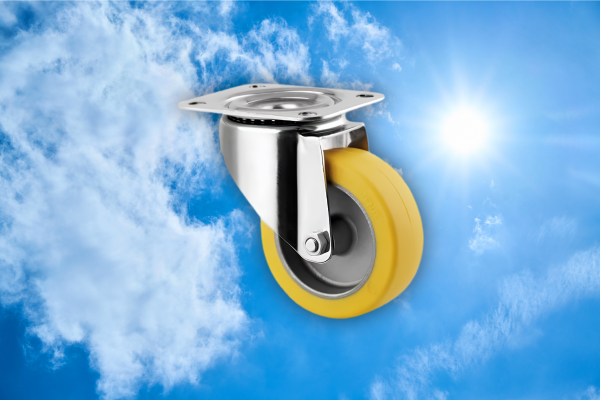
During summer, higher temperatures, sunlight and dust can all affect the performance of castors and wheels.
For castors used in warehouses, workshops, offices and outdoor working areas, prolonged exposure to heat can increase wear and expose existing problems. To prevent this, carrying out a few simple checks can help keep equipment moving safely and efficiently.
How Heat Affects Wheel Materials
Depending on the material of the wheel, wheels can respond to heat in different ways.
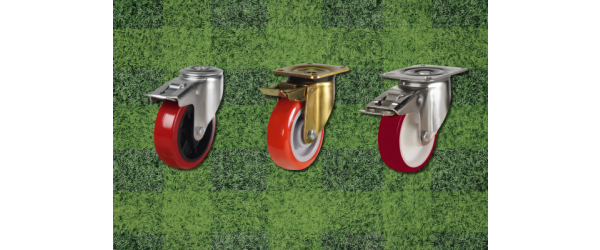
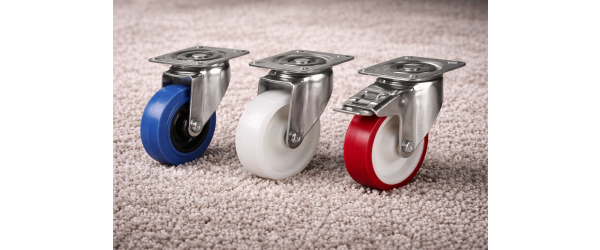
Rubber and polyurethane wheels are a popular choice because they offer smooth and quiet movement along with good floor protection. However, if they are exposed to high temperatures for a prolonged period, they can potentially soften or deform, especially if they are supporting heavy loads.
If equipment is left in direct sunlight, kept inside storage containers or placed on hot surfaces, it may experience much higher temperatures than the surrounding air. Over an extended period, this can lead to flat spots, cracking or changes in the shape of the wheel.
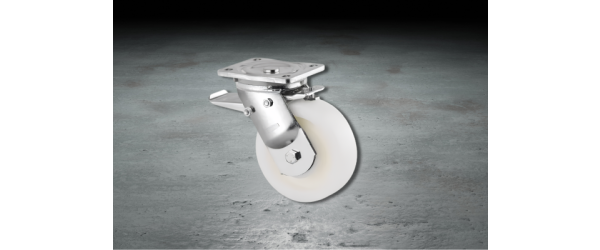
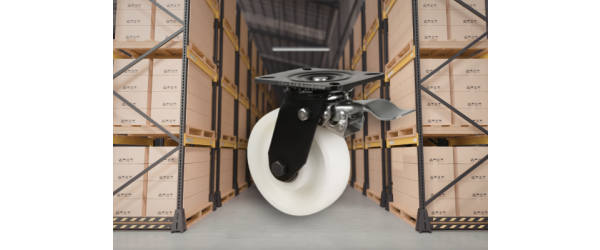
Materials such as nylon are harder, making them suitable for warmer environments. If you are working with ovens, kilns or other heat-producing equipment, specialist high-temperature castors may be needed.
Check for Wear and Deformation
Summer is a great time to inspect your castors for visible damage.
Check each wheel, making sure it is rotating evenly. Look for cracks, flat spots, bulges or sections where the tread has started to separate.
Flat spots develop when heavily loaded equipment is left in one position for extended periods, causing bumping, vibration and increased resistance when in use.
If your wheels are badly cracked or misshapen, they should be replaced rather than returned to service.
Keep Castors Clean
In warehouses, workshops and outdoor environments, dry weather can create additional dust and debris.
Castors can be more difficult to move if dirt has collected around the wheels, axles and swivel mechanisms. Regular cleaning is recommended to help prevent build-up from restricting movement or damaging bearings.
A damp cloth or a soft brush will usually be enough for general cleaning. You should avoid harsh chemicals unless the wheel material is known to be resistant to them.
Review How Equipment Is Being Used
During summer, there can be big changes to workload, staffing and where equipment is being used. Equipment may be more frequently, taken outdoors more often or used to carry different loads than usual.
Make sure that the castors are still suitable for the application, load weight and floor surface. If equipment was previously used indoors and had softer wheels, those wheels may not be the best choice for rough yards, uneven ground or mixed indoor and outdoor use.
If you are noticing your castors wearing quickly or becoming difficult to move, the issue could be incorrect wheel material or load capacity rather than lack of maintenance.
Check Loads, Fixings and Brakes
In hot conditions, the effects of overloading can become more noticeable, especially if a wheel has begun to soften.
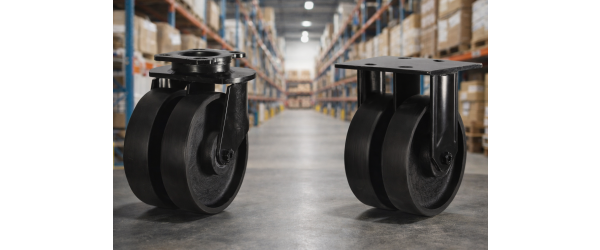
It is important to work out the combined weight of the load and make sure it remains within the castors load capacity. To avoid placing excessive pressure on one wheel, loads should be distributed evenly.
Inspect bolts, plates and other fixings for looseness. Make sure that any braked castors engage fully and hold the equipment securely without slipping.
Keep Equipment Moving This Summer
Regular summer maintenance can help extend the life of your castors, improve manoeuvrability and reduce the risk of unexpected failures.
If cleaning does not restore smooth movement, or if a wheel is cracked, deformed or badly worn, replacement is usually the safest option.
Explore our full range of castors and wheels to find a suitable option for your equipment and working environment.