Choosing the right castors isn’t just about finding the correct wheel size or material. One of the most important factors is making sure that the castors can fully support the weight they will be carrying. If you choose castors with insufficient load capacity, it could cause a series of different issues.
Calculating the load capacity you need is much easier than people may think. All you need are a few basic figures and some planning to help you choose the right castors.
Why Load Capacity Matters
There are multiple issues that could arise if you choose castors that don’t have enough load capacity, including:
- Premature wheel wear
- Difficult handling
- Increased risk of failure
- Damage to floors or equipment
- Potential safety risks
While under-specifying castors can cause these issues, over-specifying also isn’t always ideal, because very hard wheels can reduce comfort and increase noise.
Step 1: Calculate the Total Weight
To start, calculate the maximum weight your equipment will carry during normal use. This should include the weight of the trolley or equipment plus the heaviest load it is likely to transport. When you are making the calculations, always use the maximum expected load rather than the average, to make sure your castors are suitable for the job and provide a safe margin for everyday use.
For example:
Your trolley weighs 60 kg and is going to carry loads of up to 240 kg.
The total loaded weight is 300 kg.
Step 2: Don’t Divide by Four
Many people assume that each of the four castors carries an equal amount of the load. However, real-world conditions often mean this isn’t the case. Uneven floors and unsteady movement mean that there are times when only three of the castors are supporting the load. So, to be safe, it is better to assume that three of the castors need to have the load capacity to support a third of the weight of the equipment.
Using the previous example:
Total load = 300 kg
300 kg ÷ 3 = 100 kg
This means that each castor should have a minimum load rating of at least 100 kg.
Step 3: Add a Safety Margin
Using your basic calculation is a good starting point, but it is always wise to allow additional capacity.
Extra weight can often be added without you even realising it. Equipment can also be affected by sudden impacts from kerbs, thresholds, ramps or uneven flooring.
If your calculation suggests 100 kg per castor, it is a good idea to choose castors rated 125 kg or 150 kg for greater longevity.
Other Factors That Affect Performance
Calculating the correct load capacity is an important first step, but it’s only part of choosing the right castor. The environment and how your equipment is used have just as much impact on performance.
Wheel material should be matched to the floor surface.
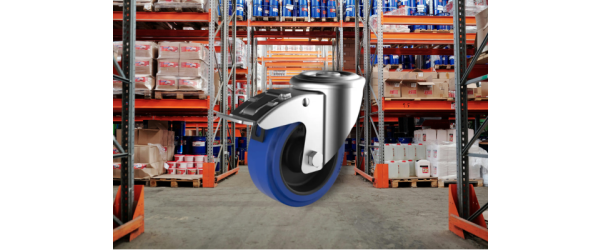
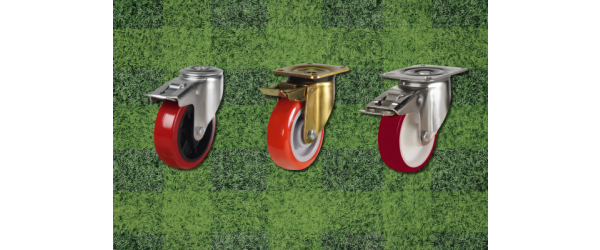
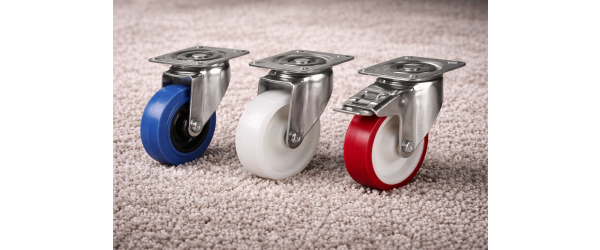
Rubber wheels – provide a quieter ride and protect delicate flooring.
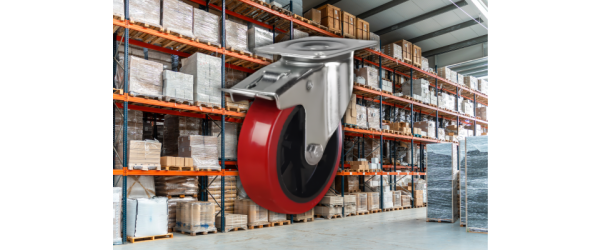
Polyurethane wheels – well suited to heavier loads and offer excellent durability on hard surfaces.
Wheel diameter should also be considered. For uneven ground, larger wheels are more suitable because they can roll over thresholds and small obstacles much more easily.
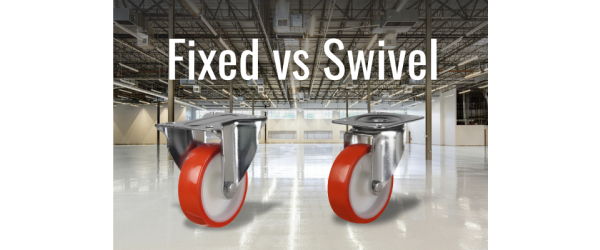
Choosing between fixed and swivel castors should also be considered, along with whether brakes are required for added safety.
If you consider all these factors alongside the load capacity, you will be much more likely to choose castors that deliver reliable performance and a longer service life.
When in Doubt, Ask the Experts
If you’re unsure about which castors would be the best fit for your application, it is always worth speaking to an experienced specialist before placing an order. Choosing the correct castor from the start is far more cost-effective than replacing worn or damaged wheels later.
At Castors Online, we help customers select the right castors for their needs, from office chair wheels to heavy warehouse equipment. No matter what you need your castors for, our team is happy to help you find the right ones to suit your requirements